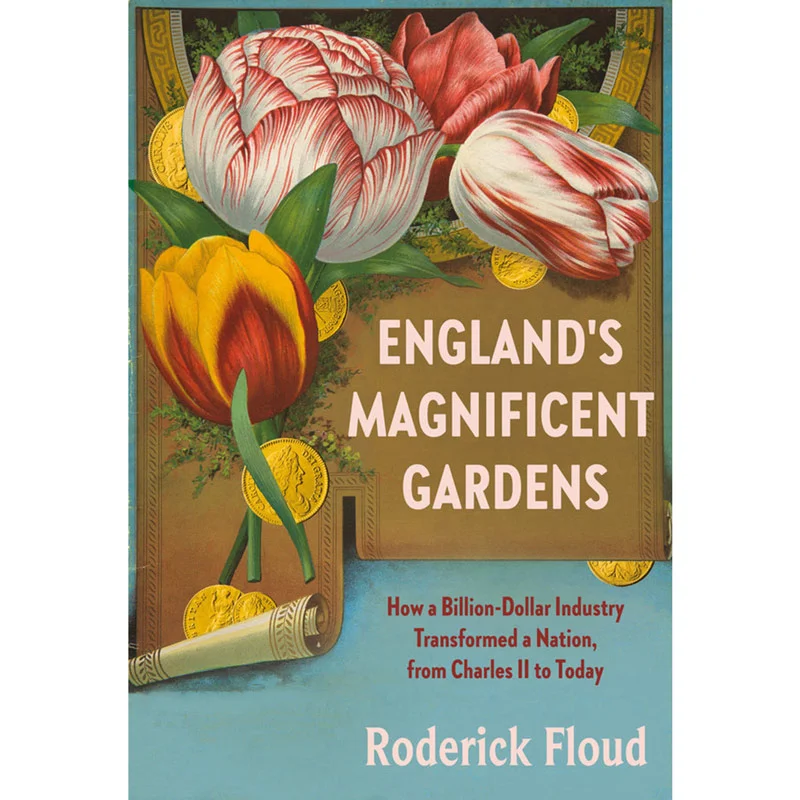
England's Magnificent Gardens
This book gives gardeners and history readers a new lens on familiar landscapes. Written by economic historian Roderick Floud, England's Magnificent Gardens traces the influence of garden design from royal estates to private homes. The focus is not just on plants or styles, but on how gardens shaped labor, technology, and commerce from the seventeenth century to the present. Drawing on historical records, the book details how nurseries, tools, heating systems, and garden designers all played roles in the growth of Britain's national economy.
Explains the financial roots of garden culture: The book shows how plant collecting, estate landscaping, and large-scale nurseries supported local jobs and trade. You will see how garden development drove both demand and innovation within the British economy.
Follows design from the monarchy to the middle class: From formal royal gardens to middle-class landscapes, each chapter explores how cultural values were expressed through planting, layout, and land use. The result is a broader understanding of how design decisions reflect social and political change.
Connects gardening to scientific and industrial progress: Greenhouses, irrigation systems, and iron tools were developed to meet the needs of gardeners and estate owners. These inventions often led to advances that spread far beyond the garden gate.
Description
This book gives gardeners and history readers a new lens on familiar landscapes. Written by economic historian Roderick Floud, England's Magnificent Gardens traces the influence of garden design from royal estates to private homes. The focus is not just on plants or styles, but on how gardens shaped labor, technology, and commerce from the seventeenth century to the present. Drawing on historical records, the book details how nurseries, tools, heating systems, and garden designers all played roles in the growth of Britain's national economy.
Explains the financial roots of garden culture: The book shows how plant collecting, estate landscaping, and large-scale nurseries supported local jobs and trade. You will see how garden development drove both demand and innovation within the British economy.
Follows design from the monarchy to the middle class: From formal royal gardens to middle-class landscapes, each chapter explores how cultural values were expressed through planting, layout, and land use. The result is a broader understanding of how design decisions reflect social and political change.
Connects gardening to scientific and industrial progress: Greenhouses, irrigation systems, and iron tools were developed to meet the needs of gardeners and estate owners. These inventions often led to advances that spread far beyond the garden gate.