How Can I Help? Saving Nature with Your Yard
This book shows how everyday yard decisions can improve local ecosystems. Douglas Tallamy explains specific actions you can take, from shrinking lawn areas to planting high-value native species, so your property supports birds, pollinators, and soil life. You also get practical guidance on lighting, leaves, and pest control that helps nature without complicating maintenance.
Turn routine care into habitat gains: Swap part of your turf for native plantings that feed insects and birds. Keep fallen leaves as natural mulch to nurture soil organisms. Choose yellow outdoor bulbs at night to reduce harm to insects while maintaining visibility. These easy changes fit into normal yard care and start working right away.
Choose plants that pull real weight: Use keystone native plants that support the highest number of local species. Add host plants for specialist pollinators so your garden provides food, shelter, and life-cycle support, not just seasonal color. With targeted choices, a modest planting can deliver outsized ecological benefits.
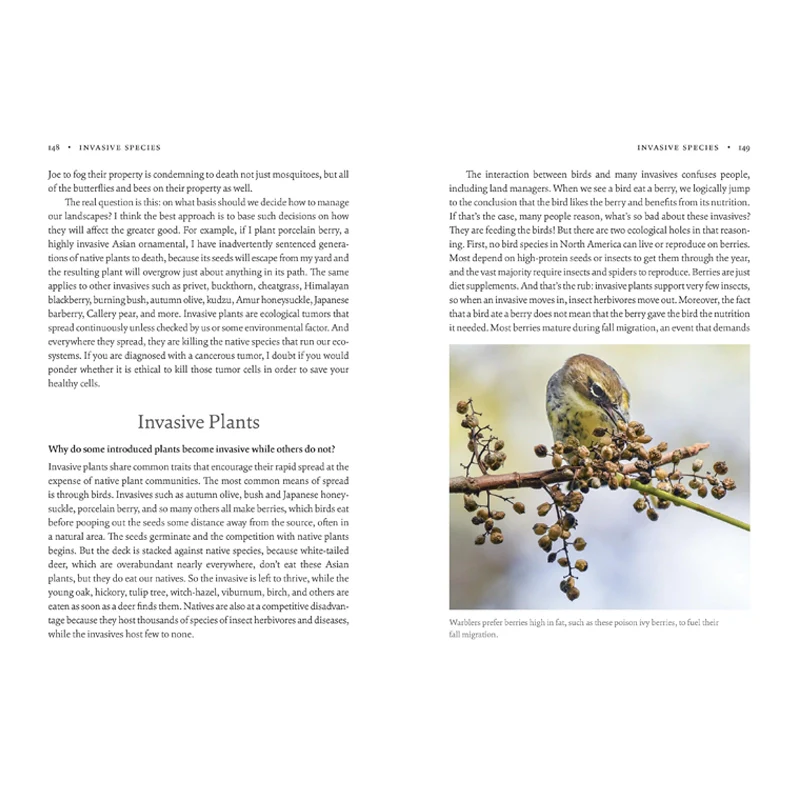
Cut problems at the source: Remove invasive plants that displace natives and reduce wildlife value. Skip mosquito fogging that harms beneficial insects and focus on source control and habitat-friendly tactics instead. Step by step, your yard can function as part of a healthier neighborhood ecosystem.
Original: $29.99
-65%$29.99
$10.50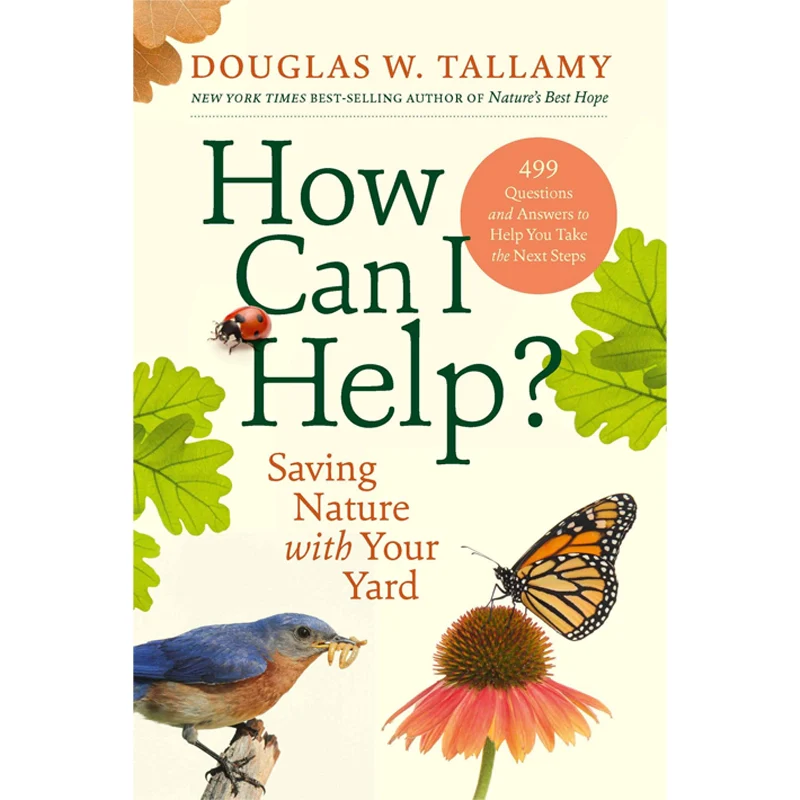
Description
This book shows how everyday yard decisions can improve local ecosystems. Douglas Tallamy explains specific actions you can take, from shrinking lawn areas to planting high-value native species, so your property supports birds, pollinators, and soil life. You also get practical guidance on lighting, leaves, and pest control that helps nature without complicating maintenance.
Turn routine care into habitat gains: Swap part of your turf for native plantings that feed insects and birds. Keep fallen leaves as natural mulch to nurture soil organisms. Choose yellow outdoor bulbs at night to reduce harm to insects while maintaining visibility. These easy changes fit into normal yard care and start working right away.
Choose plants that pull real weight: Use keystone native plants that support the highest number of local species. Add host plants for specialist pollinators so your garden provides food, shelter, and life-cycle support, not just seasonal color. With targeted choices, a modest planting can deliver outsized ecological benefits.
Cut problems at the source: Remove invasive plants that displace natives and reduce wildlife value. Skip mosquito fogging that harms beneficial insects and focus on source control and habitat-friendly tactics instead. Step by step, your yard can function as part of a healthier neighborhood ecosystem.