Pipit Daffodil
If you’re looking for a daffodil that gives you more than one flower per stem, Pipit is a dependable choice. These jonquilla-type blooms are soft yellow, lightly fragrant, and appear in clusters rather than singles. That makes them especially useful in borders or group plantings, where you want a full display without crowding. Pipit is also well-suited for southern gardens and warmer zones where other daffodils may not last as long.
More Blooms from Each Stem: Unlike classic daffodils that offer one flower per stem, Pipit produces several. Each cluster creates a fuller look with fewer plants, which is ideal if you’re trying to fill out a space. It makes planting easier and cuts down on the number of bulbs you need to get a strong result.
Soft Color and Gentle Scent: The blooms are a pale, lemon-yellow with a lighter center. It’s a subtle color that works well in a mixed planting or on its own. The flowers also have a light scent—noticeable but not overpowering—which becomes more prominent in warmer air.
Handles Warm Weather Without Losing Steam: Some daffodils fade quickly in mild or warm spring conditions. Pipit is bred to perform well in those areas. It keeps blooming longer and doesn’t break down as fast when temperatures rise. This makes it a smart pick for southern zones where early spring heat can shorten bloom time.
Useful in Beds, Borders, and Naturalized Spaces: Pipit works just as well in formal beds as it does in casual plantings. It also naturalizes over time, spreading slowly and filling in gaps. The plants reach about 12 to 14 inches tall and stay upright without support. The flower shape holds up in the garden and in cut arrangements.
Easy to Plant and Maintain: Like most daffodils, Pipit needs full sun and well-drained soil. Plant bulbs in the fall and let them settle in before winter. Come spring, they’ll bloom without much care. After flowering, allow the foliage to fade back naturally to help strengthen next year’s blooms.
Pipit Daffodil gives you a soft, long-lasting display that’s low effort and well suited to warmer climates. With multiple blooms per stem, light fragrance, and a strong habit, it’s a reliable choice for gardeners who want more color without more work.
Original: $24.99
-65%$24.99
$8.75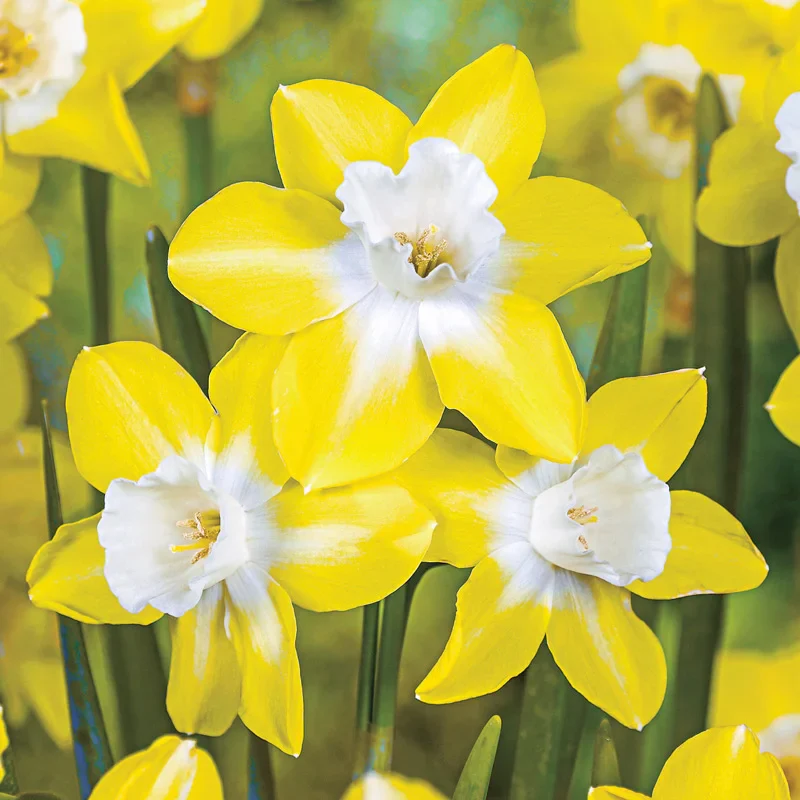
Description
If you’re looking for a daffodil that gives you more than one flower per stem, Pipit is a dependable choice. These jonquilla-type blooms are soft yellow, lightly fragrant, and appear in clusters rather than singles. That makes them especially useful in borders or group plantings, where you want a full display without crowding. Pipit is also well-suited for southern gardens and warmer zones where other daffodils may not last as long.
More Blooms from Each Stem: Unlike classic daffodils that offer one flower per stem, Pipit produces several. Each cluster creates a fuller look with fewer plants, which is ideal if you’re trying to fill out a space. It makes planting easier and cuts down on the number of bulbs you need to get a strong result.
Soft Color and Gentle Scent: The blooms are a pale, lemon-yellow with a lighter center. It’s a subtle color that works well in a mixed planting or on its own. The flowers also have a light scent—noticeable but not overpowering—which becomes more prominent in warmer air.
Handles Warm Weather Without Losing Steam: Some daffodils fade quickly in mild or warm spring conditions. Pipit is bred to perform well in those areas. It keeps blooming longer and doesn’t break down as fast when temperatures rise. This makes it a smart pick for southern zones where early spring heat can shorten bloom time.
Useful in Beds, Borders, and Naturalized Spaces: Pipit works just as well in formal beds as it does in casual plantings. It also naturalizes over time, spreading slowly and filling in gaps. The plants reach about 12 to 14 inches tall and stay upright without support. The flower shape holds up in the garden and in cut arrangements.
Easy to Plant and Maintain: Like most daffodils, Pipit needs full sun and well-drained soil. Plant bulbs in the fall and let them settle in before winter. Come spring, they’ll bloom without much care. After flowering, allow the foliage to fade back naturally to help strengthen next year’s blooms.
Pipit Daffodil gives you a soft, long-lasting display that’s low effort and well suited to warmer climates. With multiple blooms per stem, light fragrance, and a strong habit, it’s a reliable choice for gardeners who want more color without more work.