Replete Daffodil
Replete brings a softer side to spring. These double daffodils bloom with layered white petals and a coral-pink center that’s full and ruffled. The blooms are large—up to four inches across—and stand about 18 inches tall. The plants are dependable in the landscape and make excellent cut flowers. Once planted, they return each year with little attention, making them a useful addition to perennial borders, cutting beds, and naturalized areas.
Full blooms with standout shape: Each flower has two rows of white petals that surround a deeply ruffled center. The center tone reads as coral with pinkish highlights, which gives it contrast without being harsh. This double form stands out from simpler daffodil shapes and adds variety to spring beds and arrangements.
Easy to cut, easy to place: The height and bloom structure make Replete a natural choice for cutting. The flowers hold together well once cut and last several days in water. The size and fullness of the bloom mean you don’t need many stems to fill a vase. In the garden, the strong stem supports the flower without flopping.
Well-suited for many planting styles: Replete fits easily into border plantings, mixed spring beds, or even containers. It also naturalizes well, meaning it can spread over time when conditions are right. In a rock garden, along a path, or near shrubs that leaf out later, it brings consistent color and structure at a time when many plants are still waking up.
Grows back without help—and animals leave it alone: Once the bulbs are planted in fall, there’s little more to do. They prefer well-drained soil and sun to partial shade. Replete blooms mid-spring and comes back reliably each year. The flowers are naturally resistant to deer and rabbits, so they’re a good option for open spaces or unfenced beds.
Replete Daffodil adds structure, texture, and soft color to spring gardens. With its full blooms, strong habit, and low-maintenance needs, it’s a reliable performer for gardeners who want something a little different from the typical yellow trumpet daffodil—without adding more work to the season.
Original: $8.09
-65%$8.09
$2.83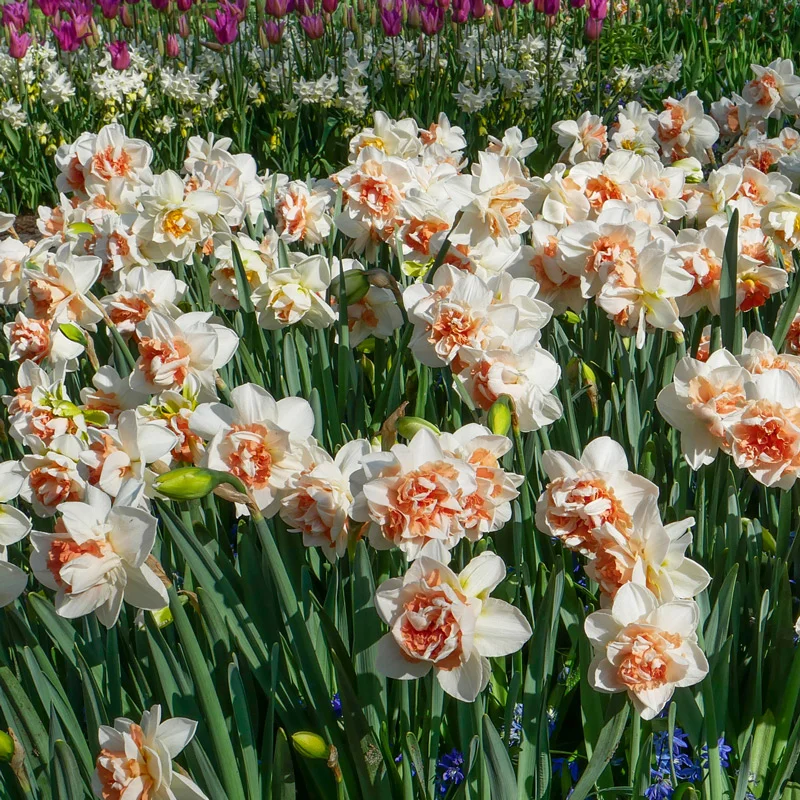
Description
Replete brings a softer side to spring. These double daffodils bloom with layered white petals and a coral-pink center that’s full and ruffled. The blooms are large—up to four inches across—and stand about 18 inches tall. The plants are dependable in the landscape and make excellent cut flowers. Once planted, they return each year with little attention, making them a useful addition to perennial borders, cutting beds, and naturalized areas.
Full blooms with standout shape: Each flower has two rows of white petals that surround a deeply ruffled center. The center tone reads as coral with pinkish highlights, which gives it contrast without being harsh. This double form stands out from simpler daffodil shapes and adds variety to spring beds and arrangements.
Easy to cut, easy to place: The height and bloom structure make Replete a natural choice for cutting. The flowers hold together well once cut and last several days in water. The size and fullness of the bloom mean you don’t need many stems to fill a vase. In the garden, the strong stem supports the flower without flopping.
Well-suited for many planting styles: Replete fits easily into border plantings, mixed spring beds, or even containers. It also naturalizes well, meaning it can spread over time when conditions are right. In a rock garden, along a path, or near shrubs that leaf out later, it brings consistent color and structure at a time when many plants are still waking up.
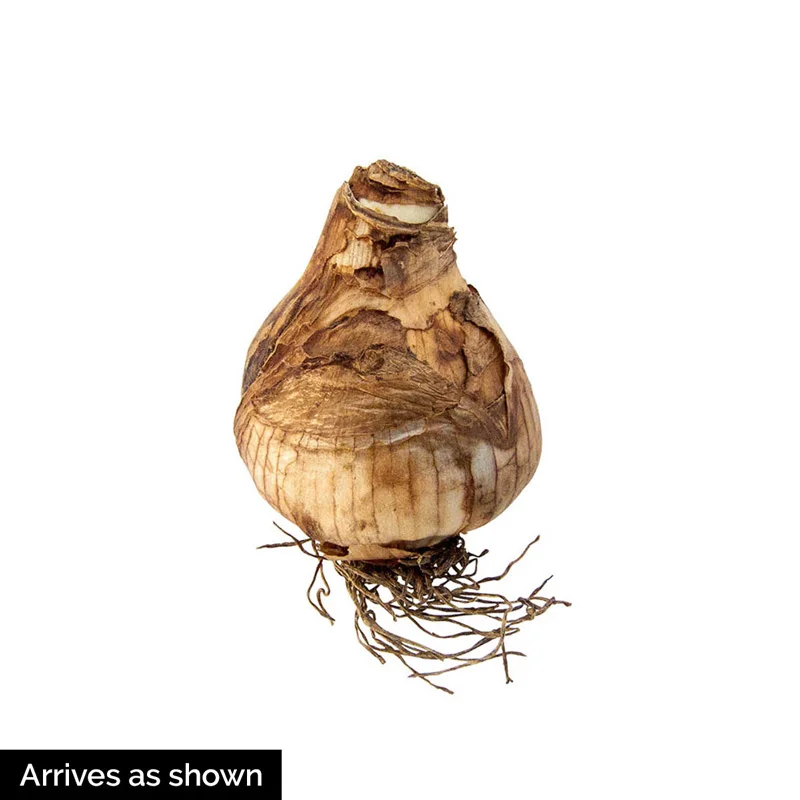
Grows back without help—and animals leave it alone: Once the bulbs are planted in fall, there’s little more to do. They prefer well-drained soil and sun to partial shade. Replete blooms mid-spring and comes back reliably each year. The flowers are naturally resistant to deer and rabbits, so they’re a good option for open spaces or unfenced beds.
Replete Daffodil adds structure, texture, and soft color to spring gardens. With its full blooms, strong habit, and low-maintenance needs, it’s a reliable performer for gardeners who want something a little different from the typical yellow trumpet daffodil—without adding more work to the season.